A Patio Made for Tuesday Dinner
Use the route from the kitchen, the timing of shade, and the way chairs move to lay out a patio you will actually eat on.
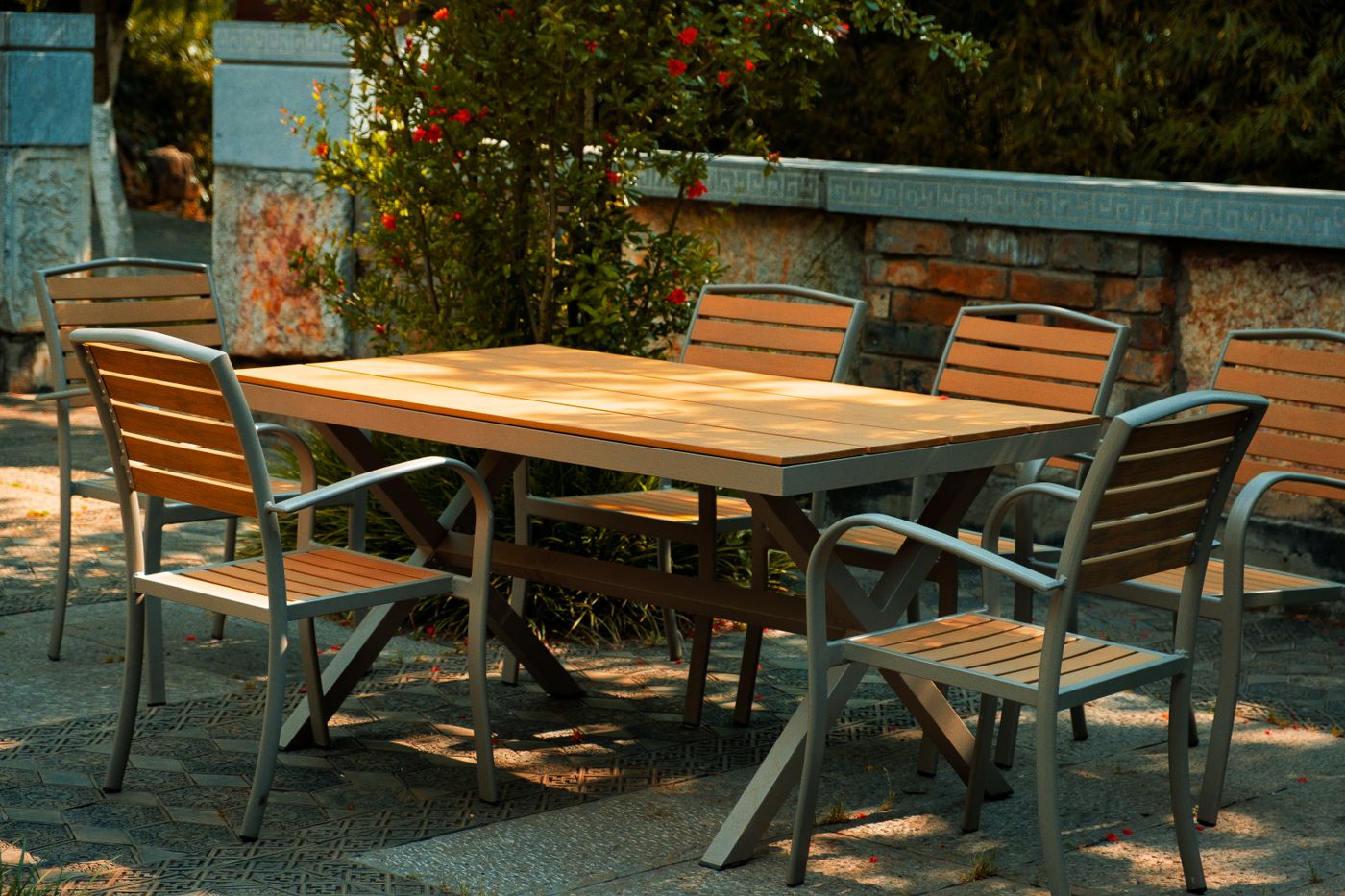
Outdoor dining often gets planned for a table full of guests. Ordinary dinner asks more of the space. Somebody needs to carry two plates through a door without putting them down to turn the handle. A chair has to slide back without striking a wall. A glass needs a level place to stand. The last person out has to switch off the light while holding a bowl of leftovers. If those details work, eating outside can become an easy choice rather than a small production. Start with a meal you already make on a weeknight and arrange the space so that meal can get out of the kitchen and back again with very little ceremony.
Make the trip from kitchen to table
Carry an empty tray outside at the hour you expect to eat. Open the door the way you usually do, take your normal steps, and set the tray down wherever it feels natural. Look back at the route. If there is a tight turn as you leave the house, plan to keep that turn empty. If you cross a large threshold or take a step, the transition needs to be visible, firm and free of obstructions. Keep stairs, doors and exits clear, and pay attention to local requirements if you change a landing or surface. Existing paving often decides where the table can go; changing the furniture is usually easier than trying to force a bad connection between indoors and out.
Work out where a second trip begins. A small table just outside the door can hold a serving dish while you go back for glasses, if it doesn't narrow the route. A tray on a stand beside the dining table saves room in the middle and can be folded away when no one needs it. Don't leave every trip to one route if there is another sensible way around the table. On a narrow patio, it can work better to leave one side free for serving and place a bench along the far side, with an open approach at both ends. In another space, the room saved by having a bench may not compensate for how often everyone has to stand to let one person out.
Tape out the chairs with people sitting in them
Use scrap paper, old boxes or tape to mark the footprint of a proposed table. Set out the actual chairs if you have them; their back angle and arm height can be difficult to judge from shop dimensions. Pull each chair out, sit down, then push away from the table and stand. Ask someone else to walk past you while you do it. An unoccupied patio shows off its floor area. The same patio with people moving around needs much more care about where the gaps go. A particularly wide clearance on the unused side is less helpful than a clear lane from the door to the seats people prefer.
Try the arrangement with two people, then with the occasional extra diner. For daily use, a table narrow enough that two people can sit comfortably across from one another may leave more room for chairs. It must still be deep enough for plates and the occasional serving dish. A round table can make turning past the edge easier, while a rectangular one can use a straight wall efficiently when only one side needs to be open. A pedestal can keep the corners free for legs, but some designs spread into the floor where a chair wants to go. An attractive outline on paper cannot tell you whether knees hit a brace or arms slide underneath.
If anyone needs a particular seat height, space for a mobility aid, or a steady armrest for standing, make that seat part of the mockup. Leave a route to it that doesn't require asking everyone to move. Check the flooring for raised edges, loose gravel or wobbly pavers. On a tight site, one generous route to a usable seat is often a better first investment than adding two small side tables. A table that can be reached easily by the people who live there will be used far more than a larger one intended mainly for a crowd.
Find where the shade will be when dinner is served
Observe the patio at the time you intend to sit outside. The late sun can enter from below the edge of a high canopy and shine directly into the eyes of someone at one end. The western wall of the house can throw heat back toward the table even after the surface is in shade. By contrast, on a cool spring evening you may want to keep a seat in the last patch of sun. A movable chair and a small shift in table position can solve some of those issues at no cost. Let the comfortable place to sit lead the layout rather than aligning the centre of the table with the middle of a window.
If the area needs portable shade, choose a stable system matched to the equipment and conditions, and follow its instructions for securing and closing it. A parasol with a base taking up foot room may be a poor fit even if the canopy shades the whole table. A tall screen can make a sheltered corner feel cramped or catch gusts on an exposed terrace. A planted screen grows slowly and needs suitable soil, light and watering. Look for a temporary improvement before buying a permanent structure: testing dinner in a different position for a week can show whether your problem is glare on one seat or heat across the entire patio.
Wind and rain deserve their own trial. On a breezy evening note which way napkins move and which wall gives relief. After a shower, see how long the table and seats take to dry. Water may remain in a recess under a cushion long after the top looks dry. Store cushions somewhere you can reach with one trip; if that is unrealistic, consider seats that are comfortable without upholstery. Where the furniture will stay uncovered, check the manufacturer's cleaning and storage recommendations and choose finishes you are willing to maintain. An awkward cover that needs two people to put on is unlikely to get used after every ordinary dinner.
Light what people need to see
Start with the door, any change in floor level, and the table. A person bringing a serving dish needs to see the ground near the threshold. A gentle light across the table helps people see their food and faces. A single bright lamp shining at eye level makes it harder to see a darker step nearby. If you already have a porch light, sit in every chair with it switched on. Changing which way a chair faces may remove glare. Try a suitable outdoor lantern at a low position to test where softer light works before committing to a fixture.
Keep cords and portable equipment out of walking routes. If you need permanent wiring, use appropriately rated exterior equipment and have the installation handled in accordance with local rules. Portable lights that can be switched off and stored with the tray reduce the temptation to leave lights shining after you go inside. Avoid sending bright light into neighbouring windows or across habitat where it is not needed. A dining area can feel welcoming with just enough light for the task; the rest of the garden can stay in view as a darker space beyond the table.
Do a cleanup trial before shopping for accessories
Eat one dinner outside with the simplest setup you can make safely. Take a cloth and a tray. Afterward, record what had to come inside, what got wet, what had to be carried around a chair, and what you forgot in the dark. If the table surface trapped crumbs in every joint, find out whether the gaps are part of the drainage design and decide if the cleaning will bother you. If the surface was cold to lean on or hot in the sun, try a washable mat on the worst part first. A very light table might be easy to move but unsuitable in a gusty spot; a massive one might hold still and make seasonal storage impossible. These are easier decisions when you have felt the problem yourself.
Keep a small clear area beside the door where shoes can dry and trays can turn. Set up any nearby pots with enough room to water them without splashing the seats. Put taller foliage where it can frame a view without making it hard for a seated person to see someone arriving. Low foliage at a table corner can soften paving without forcing a detour. If the patio is small, move a single well chosen pot between two promising positions for a few days before adding more. The role of a planter beside a dining table is partly to make the edge legible; a long row of them can easily become a fence around the wrong area.
At the next meal, change one thing and repeat the trip. Maybe the table turns a quarter turn and the most awkward chair moves nearer the open corner. Perhaps two everyday seats stay outside and extra chairs come out only when needed. The result will look different at an impromptu dinner and a weekend gathering, which is fine. On the useful patio, the table fits the people who normally sit down to eat, there is room to cross the floor without apology, and everything needed to finish the evening is within a straightforward trip of the door.