Rooms7 min read
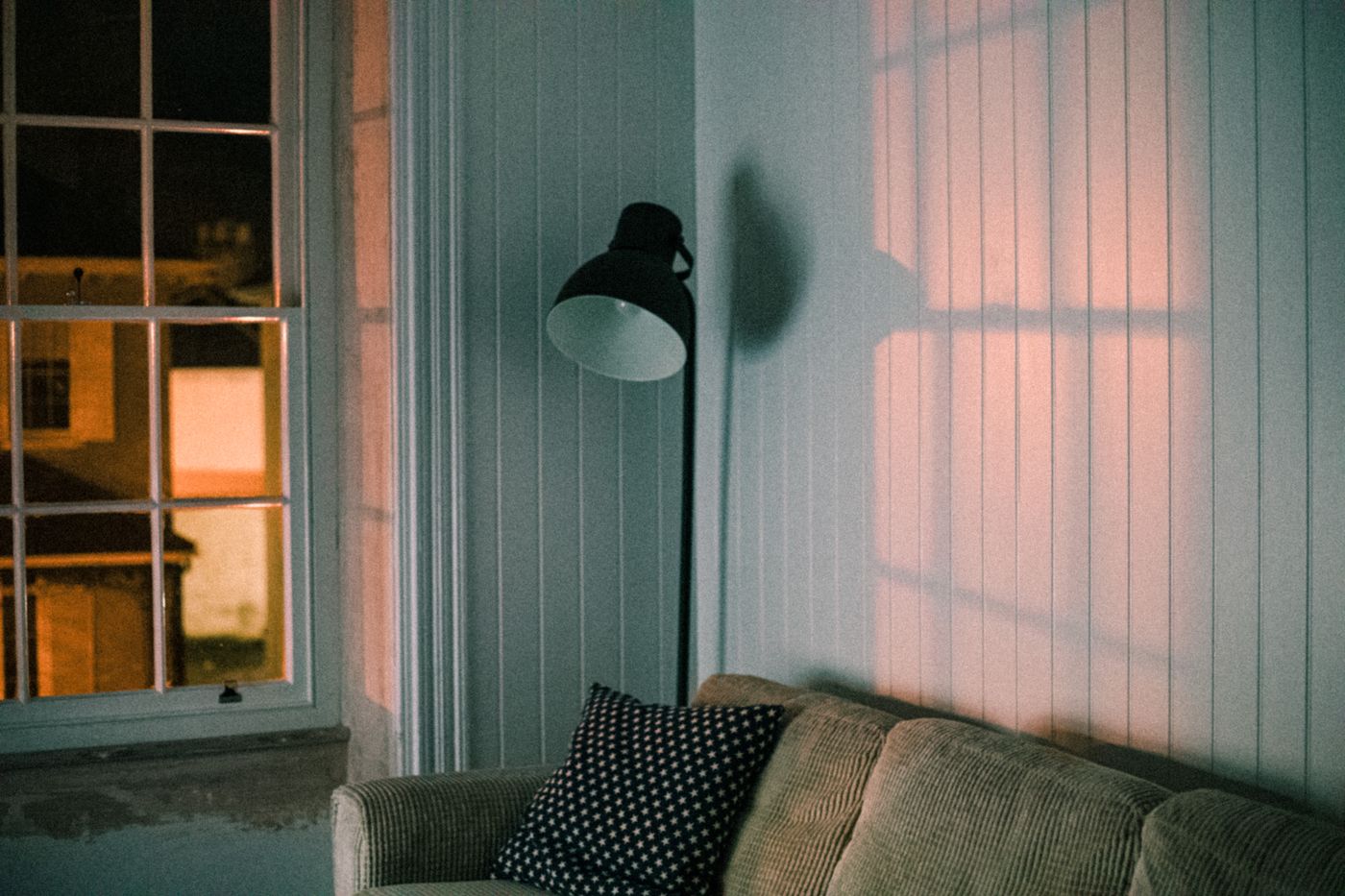
A Reading Lamp That Leaves the Rest of the Room Quiet
Use the position of your chair, the angle of a page, and a short evening test to choose a lamp that works in an actual living room.
 THE HOME & GARDEN JOURNAL
Furniture, light and the way a room feels in use.
Use the position of your chair, the angle of a page, and a short evening test to choose a lamp that works in an actual living room.
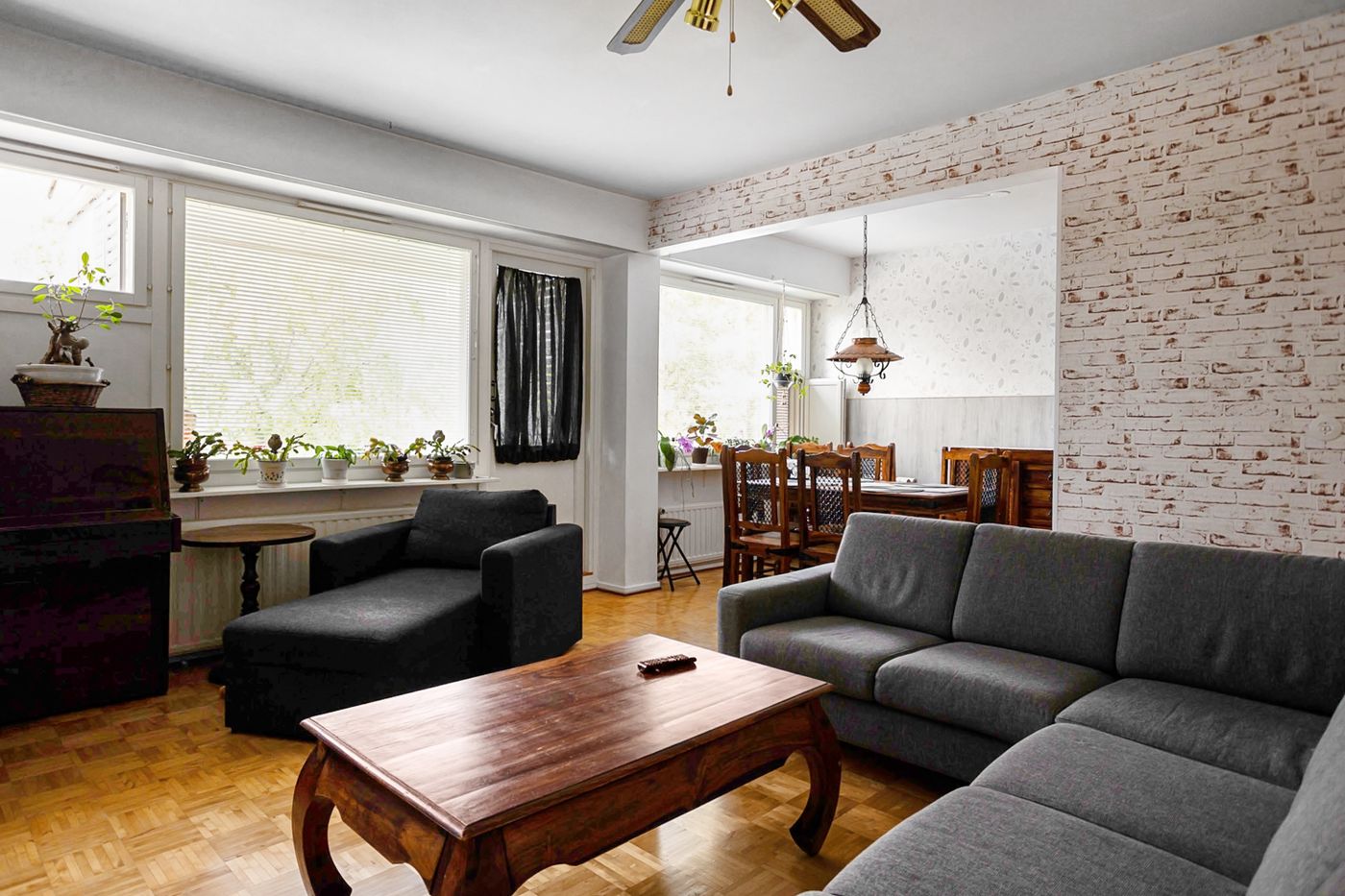
Trace the path from door to door before moving a sofa. The resulting plan can make room for both conversation and everyday traffic.
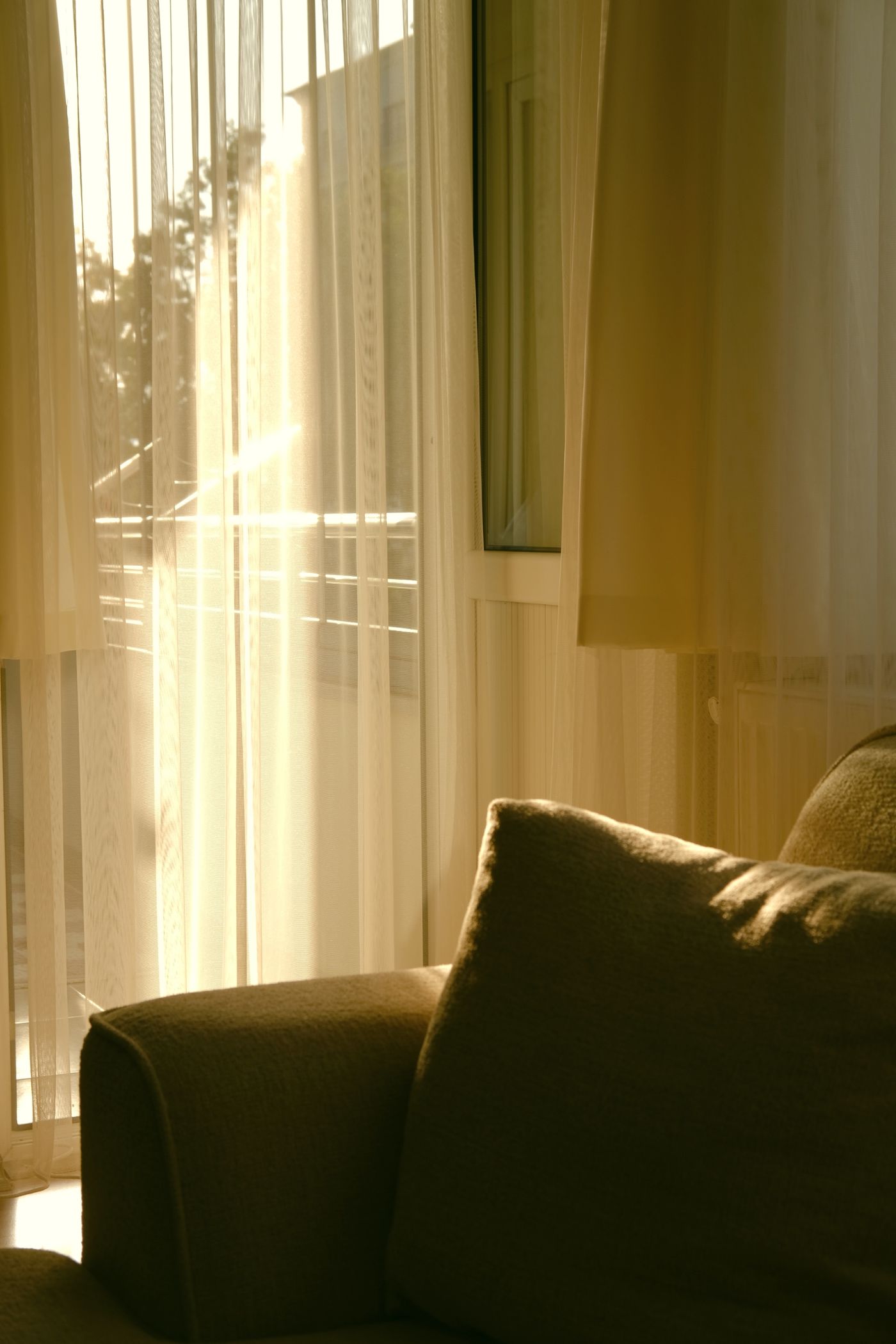
Work out where the fabric will sit when the curtains are open, what it must do when closed, and how far a hand can comfortably reach.
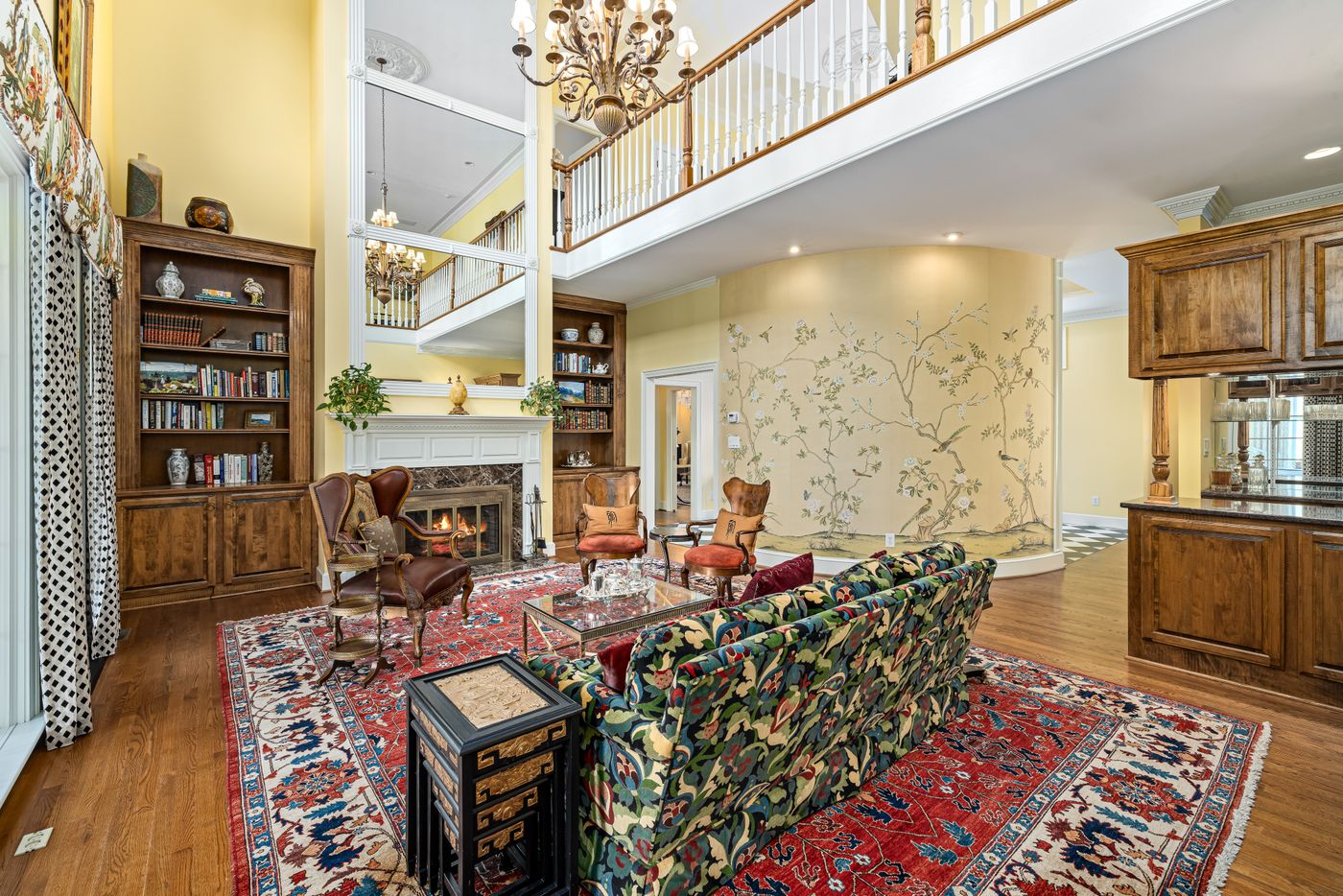
Choose a rug by testing the floor around it, the furniture that rests on it, and the cleanup it will need during an ordinary week.
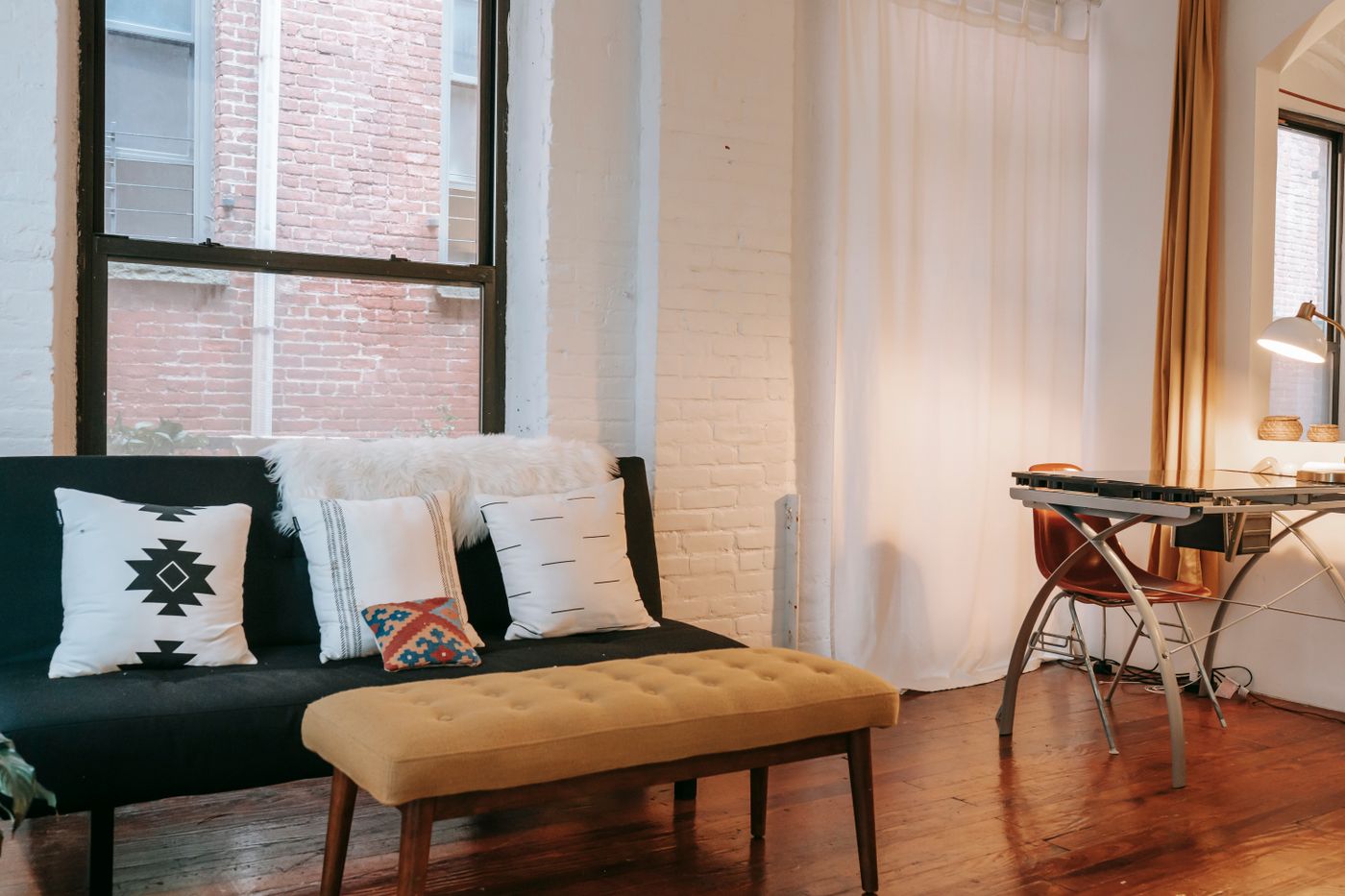
Trace the sources of distracting sound and try small changes that make conversation easier across a furnished room.
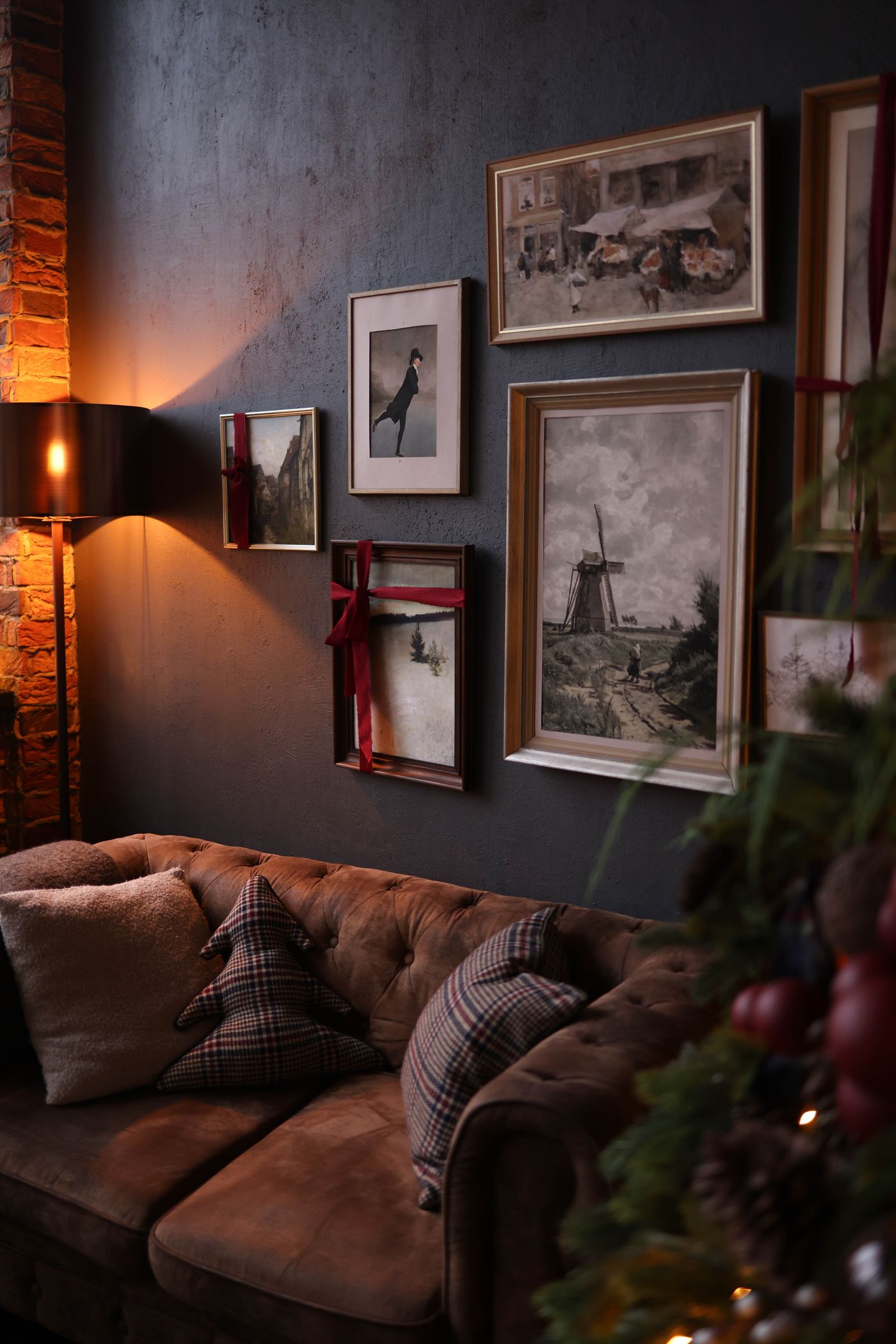
Arrange a collection around where people see it, what each piece needs, and what the wall can safely support.
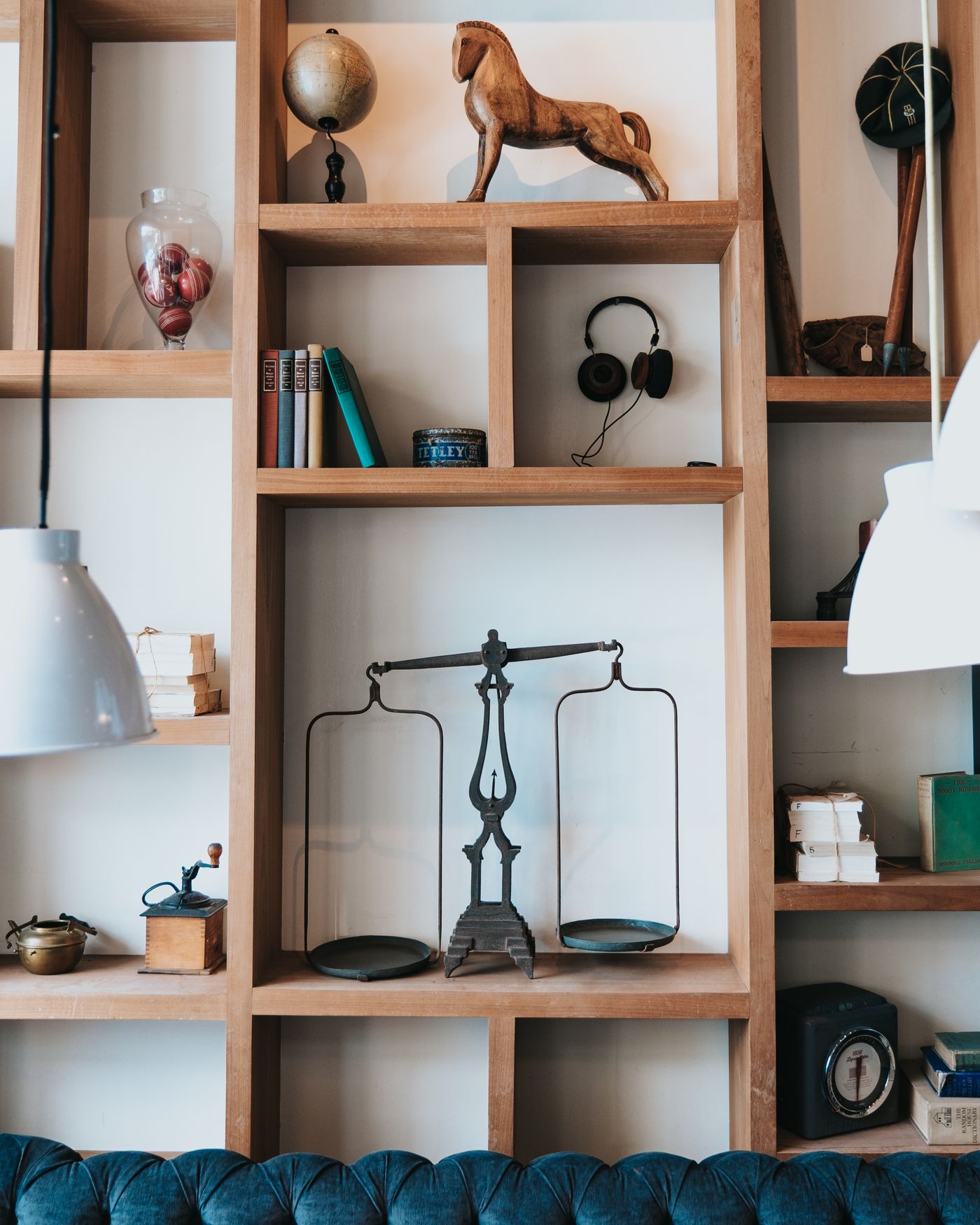
Find a useful place for books you return to, books you lend, and the ones that arrive faster than you can read them.
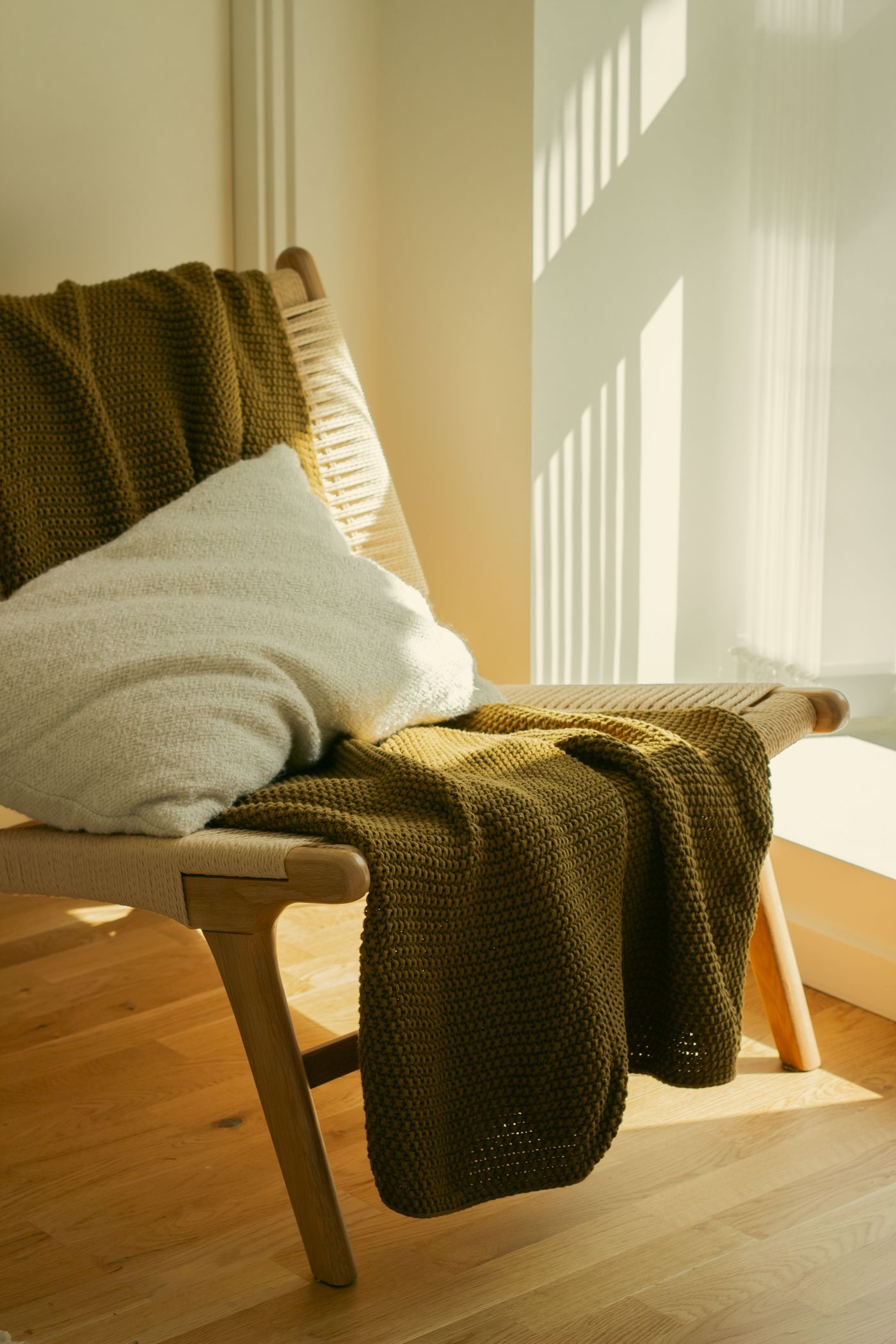
Compare seat depth, arm height, fabric, and the space around the chair before bringing home a piece you will use every day.
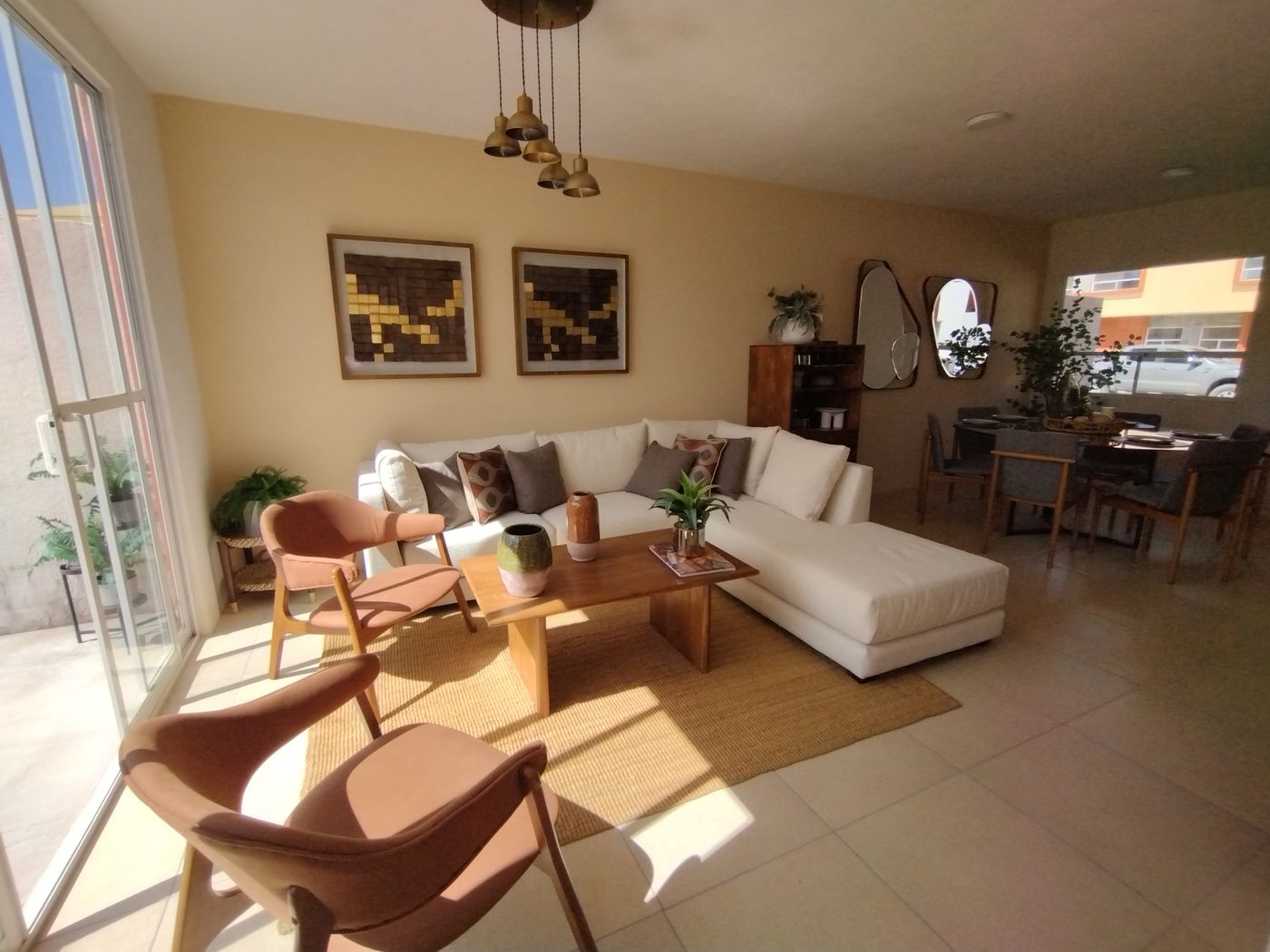
Make a room with old, new, pale, and dark wood feel connected by looking at grain, sheen, light, and the distance between pieces.
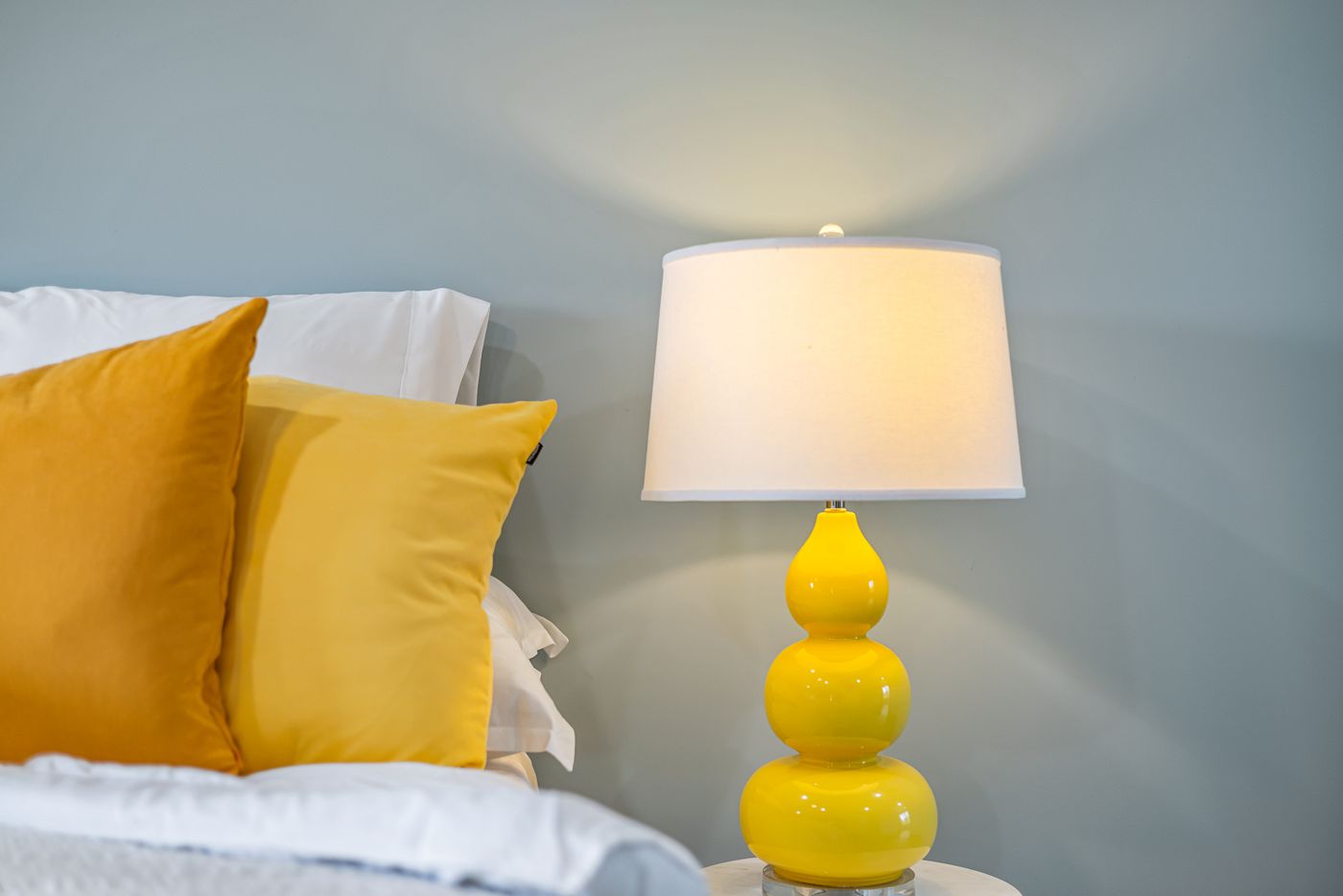
Set up a spare room around the things an overnight guest needs to find, use, and put away without a tour of the house.