Give the Kitchen Sink a Clear Landing Zone
Follow a real load of dishes from the table to the cupboard and make room for the awkward parts of washing up.
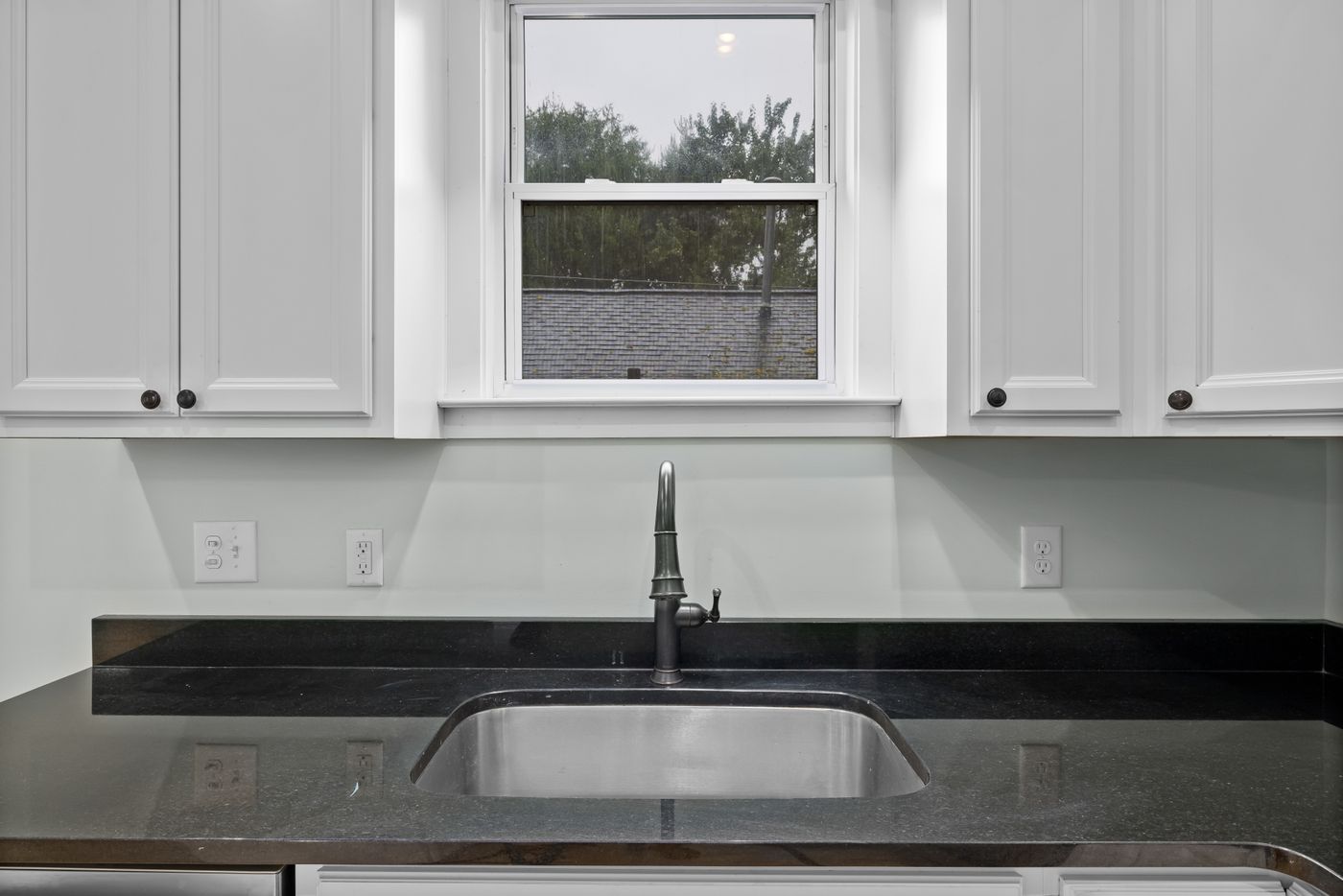
A clean sink is a poor model for washing dishes. It has no dripping colander, no saucepan lid leaning against a glass, and no wet sleeve reaching past the soap to clear a space. Look at the sink while it is in use. A household that cooks with one large pan might need a place to put that pan more urgently than it needs extra basin capacity. A household with a dishwasher may still wash water bottles, good knives and a wooden board by hand. Those items do not take the same route as a stack of plates.
Start with a recent meal that left an ordinary mess. Set the table as usual, cook as usual, then pay attention to the order in which things arrive at the sink. The goal is to give each stage a usable surface. Moving the sponge to a prettier dish will not help if the drainer occupies the only dry spot where the next stack of dishes could wait.
Find the moment when things pile up
You can learn more by watching ten minutes of washing up than by emptying the cabinets for an afternoon. Notice the first time you have to stop to move something that has nothing to do with the item you are holding. Maybe you need to shift a kettle before you can set down a roasting dish. Maybe the only place for a wet chopping board is the corner where dry glasses are waiting. Put a small mark on a sketch of the counter at each stop. A few marks in the same spot make a useful design brief.
Draw the basin, faucet, dishwasher if you have one, the nearest cupboard and any counter edge you cannot use. Mark the direction a person normally walks from the table. Then show where a stack of dishes stops, where food scraps go, and where the washed items wait. This can be three different locations even on a modest counter. One of them might be a tray you bring out only after cooking. The point of the sketch is to show conflicts in time as well as space.
Look for a clash that has been mistaken for a shortage of storage. A decorative container can hold every dish brush and still be in the way of a swing faucet. A wide rack can hold an impressive number of plates, yet its feet may straddle the only level part of a sloping drainboard. Keep the thing that solves the current bottleneck, even if it holds less on paper.
Give dirty dishes a dry place to wait
The arrival space does not need to look like a permanent station. It needs to be empty at the right time. A narrow piece of counter beside the sink may normally hold a fruit bowl. If the bowl can move to the table before dinner, the same strip can receive the plates. A removable tray with a raised edge can protect a dry surface from a few drops and keep small utensils from sliding away. It is less useful when the household habit is to carry the tray full of heavy dishes over a long distance.
Place the things you need to scrape near the arrival side when practical. A nearby food scrap container can make the motion short enough that nobody leaves plates to be dealt with later. Keep the container somewhere it can be wiped and emptied easily, and follow the local arrangements for scraps. You may find that its useful position at dinner is different from its storage position during the day. Think of the setup as something you bring into service, then put away.
Do not assume that the landing zone belongs on the left or the right. Look at where the dishwasher door opens and who does the washing. If a stack of plates forces the person at the sink to twist past the open door, a counter area beyond that door is in the wrong place regardless of handedness. When two people work together, try standing at the sink and walking a plate from table to counter without asking either person to step away. A workable kitchen should survive that short rehearsal.
Plan around the pieces that won't fit
Choose the most awkward items you wash regularly. Set out a tall bottle, a pan with a long handle and the board you used for dinner. The rack may comfortably hold twenty dinner plates, but if the pan tips over it does not matter how many slots are free. Look for a stable position where the handle does not stick across a walking route. A separate low tray for bulky pieces can be more useful than a bigger rack. Set it on a flat surface, put the heaviest item in place first, and check that the tray still sits firmly.
A damp towel can protect the counter briefly, but it needs somewhere to dry afterward. A mat that always stays under a loaded rack can trap moisture along its edge or hide what has collected beneath. Pick the mat up after a normal wash and look underneath. If the surface stays wet, change how you dry the mat before trying a more expensive material. With a rack that drains directly into the basin, look at its spout from above and from the side. It needs to reach over the rim and run downhill with the rack in the exact spot you will use it.
Think about the underside of the cups and lids as well as the inside. A mug balanced flat on a wet surface can seal moisture under its rim. Use the slots or angled supports the rack provides, leaving room for air and without making tall items unstable. Keep sharp knives visible and deal with them separately, following the maker's care instructions, rather than leaving a blade hidden in cloudy water or balanced among the plates.
Reclaim the space behind the faucet
The narrow ledge behind the faucet looks like spare storage. In practice, anything placed there is in the wettest part of the room and can get in the way when you wipe around the base. Before adding a caddy, move everything off the ledge and leave it bare for two meals. Notice what you reach for. Hand soap, dish soap and a brush may each earn a place, but a bottle of polish probably does not. The easy reach area belongs to the things you use with wet hands.
Set the soap where you can press the pump without reaching across the clean dishes. Check the angle of the nozzle; a pump that points at the wall makes splashes you will only see when it comes time to clean. If a caddy has holes in the bottom, check where that water ends up. Drainage that goes onto the sealed basin is more useful than drainage that runs toward a counter seam. Wipe splashes and follow the sink and counter makers' care instructions rather than assuming the same cleaner suits every finish.
A dish brush or cloth also needs a place to dry. Hanging it on a convenient hook may work until you discover that water is dripping onto the inside of a cabinet. Keep wet tools near a surface that can take the drips, where air can reach them and the holder can be removed and cleaned. Store cleaning products according to the labels and out of reach of children or pets as appropriate. Make the daily station simple enough that everyone knows where each tool goes back.
Make a second pass with the cupboard open
A sink layout can work perfectly until it is time to put things away. Open the cupboard where the plates belong and stand where you usually unload. Check that a door does not cut across the path between the rack and the shelf. If glasses travel from the rack over the wet pan to reach a cupboard, move the rack for one wash or reserve its nearest end for glassware. When somebody else puts away the dishes, a clear order at the rack saves them from picking up each item just to see what it is.
Some kitchens have only enough counter for an arrival space or a drying space at any one time. Use the same surface in sequence. Bring dishes in, clear food and wash the first batch, clean the landing surface, then set up the rack or tray. This works best when the second batch can wait somewhere stable. Don't put dirty dishes back on a clean drying surface simply because the rack is temporarily full. If the counter cannot manage both jobs without interruptions, split the washing into two small batches and put the first away before the second.
Put the arrangement through a weeknight meal and a busier meal before changing anything permanent. Keep track of the nuisance that remains: a full rack at breakfast, a wet patch along the faucet, or dishes left waiting when another person needs the sink. Change one thing that addresses that nuisance and see if the motion improves. A drying rack chosen because it accepts your biggest board without stealing the arrival surface is a better purchase than a rack chosen because it looks as though it ought to solve a clutter problem.
At the end of the trial, put back only the pieces that have done a job. Leave the empty area intentionally empty when you can. The clear strip of counter is part of the washing station, just as surely as the basin. It is what lets you put a hot or wet thing down safely and continue with the next task without rearranging the kitchen first.