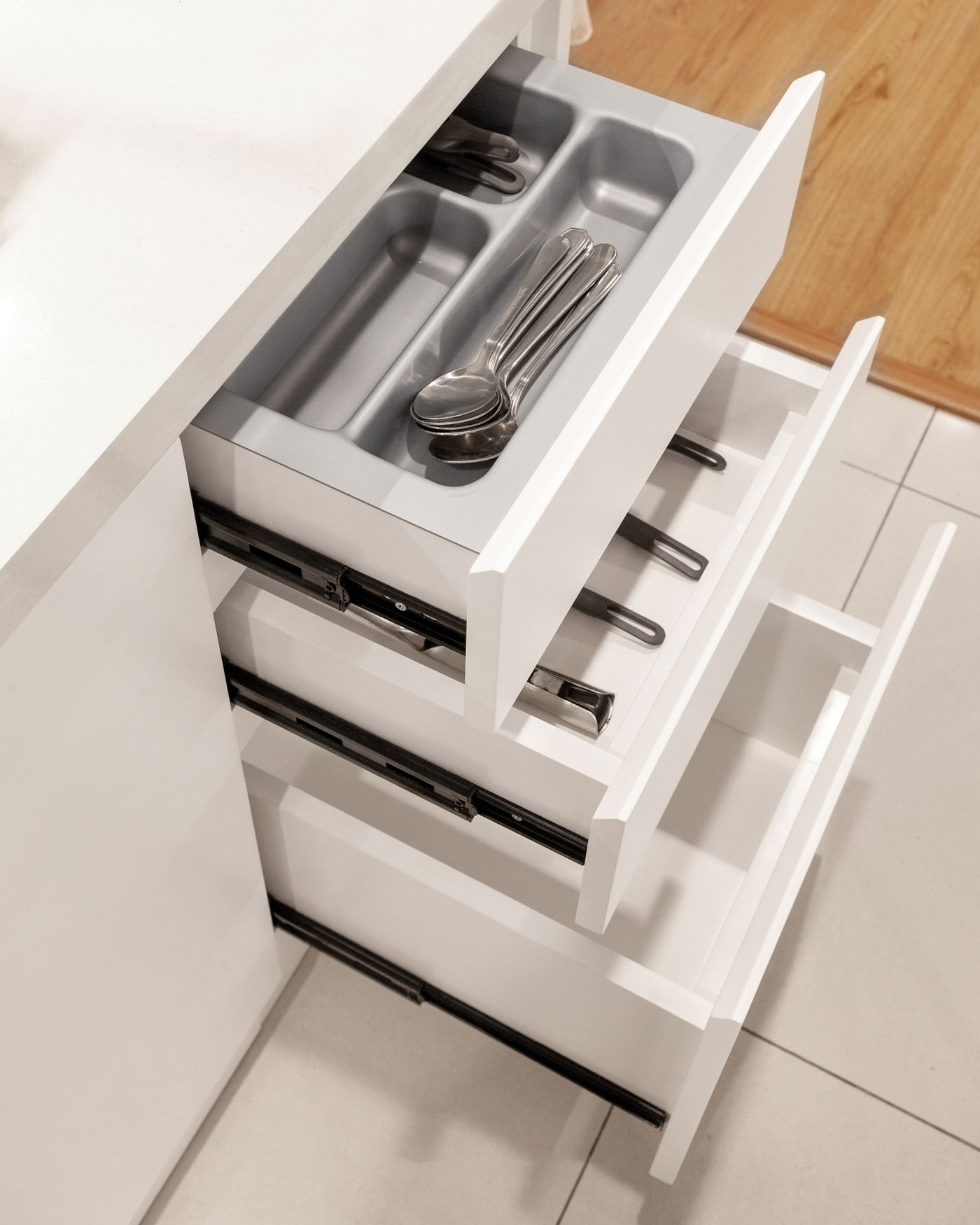
A Pantry Shelf You Can Shop From
Arrange dry goods around ordinary meals, keep the information from each package, and make low stock easy to see before shopping.
The most revealing moment for a pantry shelf is just before dinner. A saucepan is already on the stove. You reach for rice and find three bags, two open and one tucked behind the flour. The jar you thought held the rice contains barley. Somewhere at the back there might be enough lentils to change the plan. A shelf can look orderly and still keep useful facts from the person standing in front of it. Aim for an arrangement that tells you what you have, what is open, and how much room there is for the next shop. The result can include glass jars, original packages and a few mismatched baskets, provided each earns its place.
Start with the meals that empty the shelf
Choose three recent dinners that used dry goods. Write down what came from the shelf and what remained after you cooked. A jar of rice you finish every week deserves a different position from a bag of a grain you cook once a month. Notice which ingredients travel together. For a breakfast of oats, you might bring out oats, seeds and dried fruit. Keeping those next to one another can save time. If the same seeds go into many dishes, give them a place you can find whether you are making breakfast or cooking dinner. The best groupings follow the way you cook, which may have little in common with the categories on a supermarket aisle sign.
Pull out one shelf at a time and make a temporary list of its contents. Look at the backs of packages and turn loose bags so you can read what is inside. Set aside anything leaking, affected by pests, or otherwise unsuitable. Follow the package instructions and local food safety guidance when you are unsure about what to keep. An item that is in good condition but rarely used should earn a place through an actual plan. Write a particular meal and day for the unopened bag of polenta. If you keep pushing that meal back, make a different plan for the bag where allowed rather than giving it a new permanent corner.
Mark which staples you use every week or two, which are occasional, and which you keep unopened in reserve. Put frequently used items in the easiest area to reach. Place heavy jars and larger packages at a comfortable lifting height on shelves rated for the load. Give occasional stock a place you can see or list. Unopened backups can sit in a separate shallow row, with open packages in the working space. That way you can check what to use first without taking inventory of the whole cupboard. In a very small pantry, a front item and one matching backup behind it can be enough if both are easy to inspect.
Keep the package when the package does the job
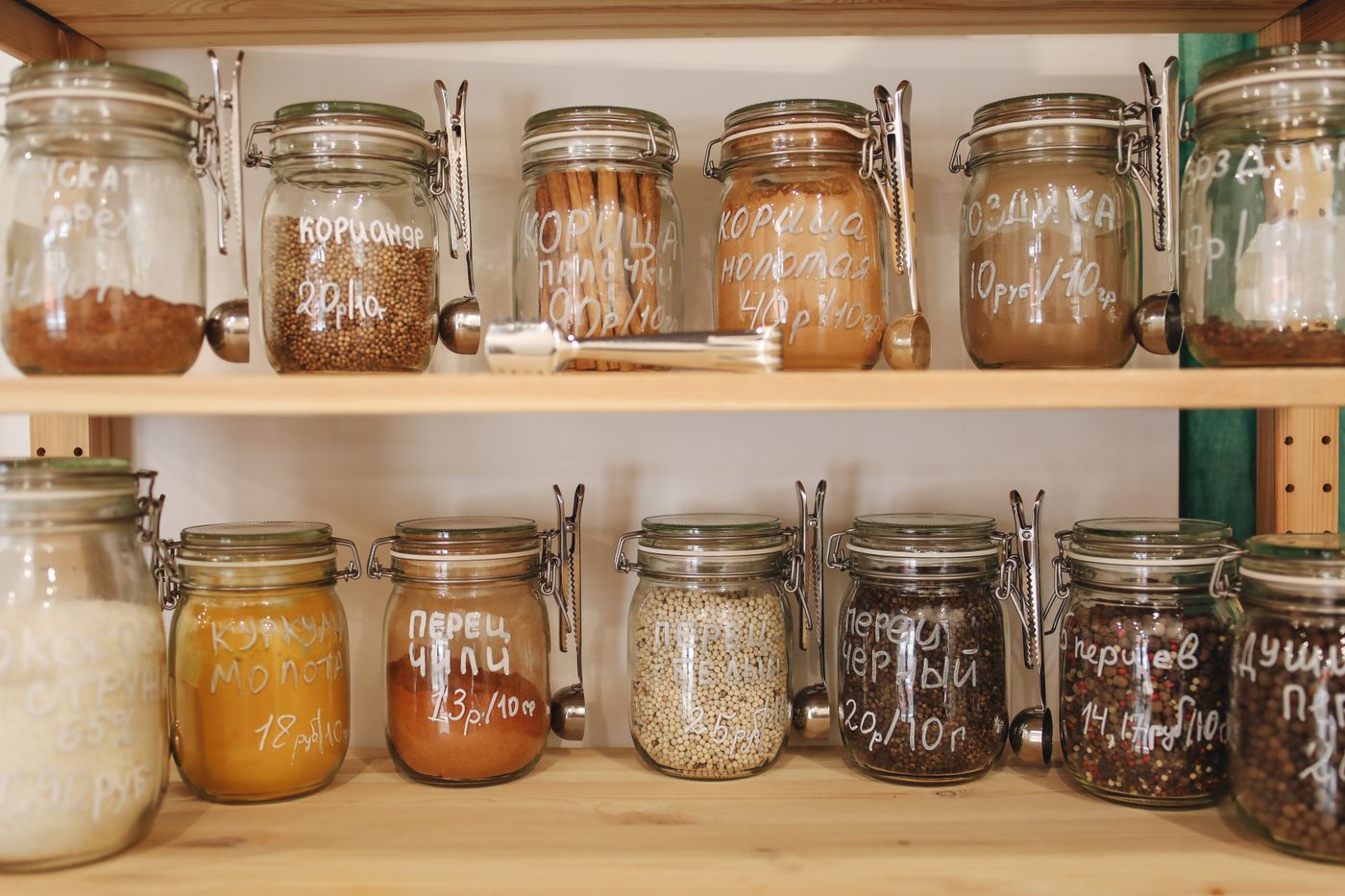
Containers are useful for dry goods that spill from an open bag, packages that don't reseal, and ingredients you need to see clearly. Choose food contact containers that suit the contents and follow their care instructions. A broad jar is easier to fill and scoop from than one with a narrow neck. A square vessel can use a tight shelf efficiently, though it may be harder to dry completely after washing if its corners are difficult to reach. A very tall jar makes sense only if you can lift the lid comfortably and still get to the bottom without tipping the whole thing. Decide how you want to measure the ingredient before you choose the opening and shape.
For some goods, the original bag or box is already the most practical container. It may fit the space, close effectively and carry useful information. Keep it as is or place the entire closed package inside an appropriate container if you need another layer of protection. If you pour dry goods into a jar, keep the product name, best before date, preparation directions, lot information and relevant ingredient or allergen details available. A photo of the original label or a clearly marked part of the package can preserve information that a jar label alone doesn't capture. If there are allergy concerns in the household, establish a storage and handling routine suited to them and avoid sharing scoops or containers in ways that cause cross contact.
Use up an earlier batch before refilling its container. Continually adding fresh stock to a partially used jar makes it hard to tell how old the contents are and whether any earlier lot is still inside. Empty and clean the container according to its care instructions, then let it dry completely before putting dry goods back. Leave enough air space to open it without spilling anything and note the new package details. A jar that holds a convenient amount of rice but won't hold the whole bag can still be useful. The part left in its closed original package needs a predictable place, otherwise one staple turns into a collection of open containers.
Make the back of the shelf visible
A deep shelf can store a lot, but only its front few inches are visible at a glance. Set a small group of light items in a shallow tray you can pull out easily. Put similar packets upright in a container so their labels face up and can be read without unstacking them. For jars, favour a single row where the cupboard is narrow. If a second row is necessary, use a stable shelf insert suitable for the load to make the rear labels visible or keep clearly paired reserves behind the main row. Try closing the door with everything in place. Hinges, the door frame and an interior latch can steal enough space to stop a tray sliding out, even when the measurements looked fine.
Place the most specific label where your hand and eye will find it. Flour can mean bread flour, a flour for pastry, or a product meant to be kept separate for a dietary reason. A clear label should say which one it is. Write in large readable type and place the label on the top if the container is seen from above, or on the front if it is at eye level. For storage shared by multiple people, use names everyone recognizes. Colour can be an additional cue, but a word is easier to verify. If the words are printed sideways or are visible only after a stack has been opened, revise the arrangement before making a full batch of labels.
Give each useful category a limit you can see. A small tray for opened grains tells you immediately when another package will crowd what is there. A single shelf of backups is easier to scan than a big reserve split between different corners. Leave one open spot for the unusual ingredient you plan to use in the next few days. Name that space if necessary, but keep its purpose temporary. If it is full of things with no planned use, you have evidence that it needs a review, not another container. A modest blank space also gives a hand room to grasp the package beside it and turn it without knocking over its neighbours.
Let the cupboard tell you what to buy
Decide when a staple has run low enough to add to the shopping list. The answer depends on your rate of use and the time between shops. If a jar holds three dinners and you shop once a week, the last dinner's worth can be a useful signal. For something you can easily replace at the corner shop, there may be no reason to keep a reserve. For goods that take longer to obtain, one unopened package might be worth the space. Mark the threshold on a plain label or note if other people help with shopping. A visible line on a transparent container can work where everyone knows what it means and the contents stay reasonably level.
Keep the shopping list near enough to update when a package is finished or when someone opens the last backup. A small sheet inside the door can suit a household that shops together. A shared list on a phone can suit people who shop separately. Give it a brief scan before leaving. If a full bag of pasta is on the shelf behind a nearly empty jar, put it into service before purchasing more. If a favourite staple frequently runs out despite a backup, check whether the backup is getting used by another cook and whether its last package is genuinely visible. The point is to choose a signal that survives a busy day.
Make a separate decision about bulk packs. They make sense when the goods suit your storage conditions, you can handle them without waste, and you use them at a predictable rate. A bulky bag can be inconvenient if you have to decant it with every meal, or if it makes the only usable shelf too heavy. Compare the space available to the actual dimensions, including the opening of the cupboard. Plan the route from the door to the shelf. If lifting or pouring would be awkward, choose a smaller package or divide a suitable pack into manageable containers without losing the original product details. Capacity matters only if you can use it.
Run one week before making the arrangement permanent
Cook a familiar meal and ask someone else to find a staple without pointing out where it is. Notice what gets taken out to reach it and what makes it back to the right place. Look for places where a scoop cannot be used without moving two other jars or where the tallest package sits in front of the shortest one. Move those few items. There is no need to order matching containers while the shelf is still teaching you what it needs. Keep labels provisional until the category and container make sense together. A piece of tape that can be lifted is especially helpful when a jar goes from one use to another.
The following week, check the shelf just before shopping. Count what was opened, used up, or bought twice. Pick one small adjustment in response. You might move breakfast items down a shelf because the person who uses them can't see the labels above their head. You might stop refilling one jar because the original box fits the space better. The pantry will change when your meals change. An arrangement that still lets you spot the open rice and tell whether there's enough for dinner has done the work it needs to do.