An Entryway That Can Take a Wet Tuesday
Design a place for the keys, bags, shoes and damp layers that actually cross your threshold.
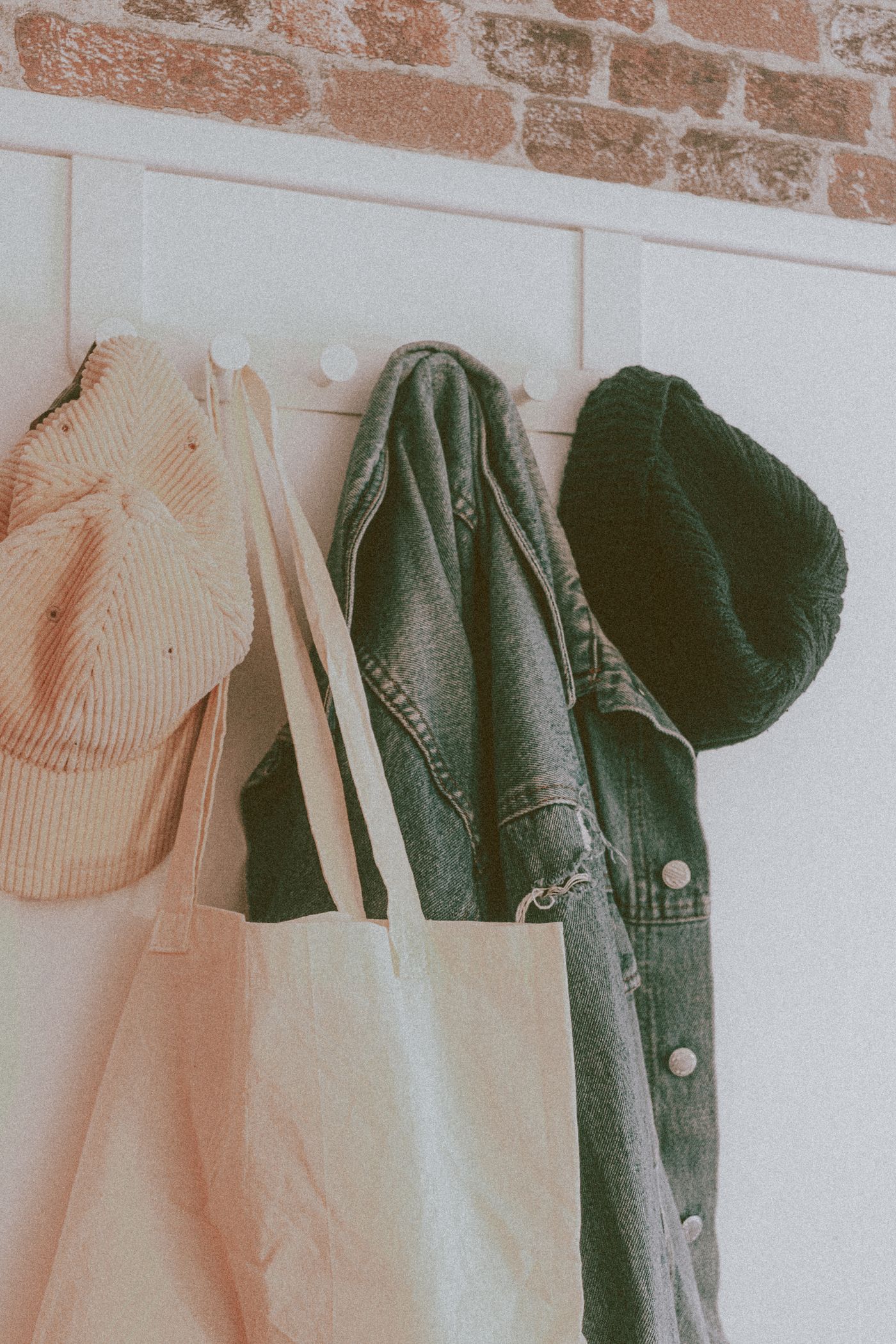
A picture of an immaculate entryway usually leaves out the moment that matters. It is raining; somebody has a parcel wedged against one hip and a wet umbrella in the other hand. There is a dog lead under a coat sleeve and a school bag that has to be opened before tomorrow. The bench has a cushion, which is where a wet hat is about to land. If the entry works at that moment, it will work on the nicer days too.
An entrance is a place where things change state. A jacket goes from wet to dry, a key goes from needed to parked, a bag goes from closed to unpacked and back again. Its job is less like a display shelf and more like the small table in a busy workshop: it has to receive the work in whatever condition it arrives. Watch those changes before buying another row of hooks.
Map the first minute inside
Pick one evening when you have the usual things with you and walk in without putting anything away on autopilot. Notice what is in each hand. When you take off shoes, where do you put your weight? When you hang a coat, does it have to pass over the pile of clean laundry? Which things need to be set down just so that the door can close? The hand that opens the door tells you something a floor plan will not.
Repeat this for the busiest person or the smallest person in the household, if possible. The teenager returning from practice may be carrying a very different load from someone coming home with a laptop. A child may be able to use a hook at shoulder height but struggle to lift a bag onto a tall shelf. Somebody who sits to remove shoes will need a place for a bag within reach of the seat. Design for the person who finds the current setup hardest to use. The person with free hands can usually adapt.
Make a list of the items that arrive and leave almost every day. On a separate list put the things that pass through only occasionally: the picnic blanket, spare gloves, the formal shoes, a bundle of returns. That second group does not automatically deserve a spot by the front door. Sometimes the largest improvement is moving the occasional things elsewhere and giving the daily objects enough room to be picked up one at a time.
Leave the door and the walking route alone
Open the door all the way and look at the arc of its edge. An empty hook can sit in that arc without making trouble, but a winter coat on it may keep the door from opening fully. The same is true of a shoe tray with boots hanging over its lip. Test the proposed position with the thickest coat or largest pair of shoes before attaching anything. A shallow arrangement is only shallow when it is loaded.
Use masking tape on the floor to mark the footprint of any bench or rack you are considering, if the flooring can safely take the tape. Walk past it carrying the biggest thing that comes in regularly, whether that is a laundry basket, a box or a folded stroller. Try turning, opening the next door and stepping out again. If a seat only fits by narrowing the usable route, find a better location for the seat. Keep the exit clear, including when the storage is full.
In a very narrow hallway the useful drop zone may be just past it. A tray on the first sturdy surface in the next room can be more reliable than a fragile wall shelf at the threshold. Keep wet shoes and umbrellas where they can drain safely, then take everything else one short step farther in. The entry can be a sequence across two spaces rather than a single piece of furniture that does every job.
Separate the dripping things from the ready things
Start with one place to put muddy shoes or wet boots. Use a stable tray suited to the floor and sized so heels stay inside the edge. Do not let water sit underneath it. After a wet day, lift it, wipe it and check the surface below. A tray that hides moisture under a mat is a problem that will only become visible when you move the furniture. Follow the flooring maker's care instructions; an absorbent mat and a waterproof tray do different jobs.
Wet outerwear needs enough space for air to move around it. Give it a temporary spot with suitable protection from drips, then move it to regular storage once dry. Avoid pressing a soaked coat against an interior wall or stacking damp gloves in a closed basket. If the only hooks are close together, leave one end available for a wet layer that needs more room. Put the tote for tomorrow where it stays dry even when that end is in use.
A folding umbrella is an especially poor fit for a deep bin if the bin encourages everyone to forget it there until next week. Open and dry it in a safe, ventilated place when practical and return it to the exit area later. A short routine that prevents a lingering puddle matters more than a stylish container marked with an umbrella symbol. Give that routine a destination rather than hoping somebody will notice the wet handle.
Give the small items addresses
A key hook works if you can reach it immediately and see which set is missing. A bowl works if it is shallow enough that coins and receipts cannot bury the keys. Try both with the items you normally carry. A household with several visually similar sets can use a labeled position or a different tag on each set. Place valuables where they are not easy to reach or see from outside, and make sure the arrangement does not depend on leaving the door open.
Treat the mail as a separate job. A small slot or tray is reasonable if you already have a habit of clearing it. Otherwise, it will hold a month of paper just well enough to make everything seem dealt with. Give incoming paper a destination where someone will make decisions about it, and use the entrance for objects that need to go out. An envelope to post can wait near the going out bag; a bill that needs attention belongs where you sit to read it.
Shoes offer a good test of what a container is for. If pairs need to dry, they need space and air. If they are ready to wear again, they need a known position and an easy way to take one pair without toppling three others. Keep the regularly worn pairs visible. Put spare pairs away once dry. A lidded box at floor level can look tidier than an open rack, but it makes little sense if it takes two hands to use while somebody is already balancing on one foot.
Reserve a spot for unfinished departures
There is often one item in an entrance that does not belong to anyone's daily kit: library books to return, something to take to a neighbor, a reusable bag to put in the car. Give these things a small, deliberate staging area. It should be visible from the route out and small enough that a second pile immediately looks wrong. A tote set near the door can do the job if it does not stand in the way. A heavy parcel should go on a stable surface rather than high overhead.
Name the next action instead of labeling the object. A note saying “take Friday” tells a tired person more than a basket called miscellaneous. Keep the object there only while that action is pending. If it has been sitting for two weeks, decide whether to set a date, move it into storage or let it go. There is a difference between making a task visible and filling the most valuable space in the house with reminders.
Before committing to hooks or a cabinet, run the new arrangement for several days with containers you already own. Count what gets left on the floor, what comes back damp, and which shelf gets ignored. Move the landing area a few inches if it keeps catching a shoulder. Lower a hook if it always hangs empty while the bag sits directly below. When mounting permanent storage, match the hardware to the wall and expected load, follow the manufacturer's directions and get qualified help where needed.
Give visitors a place to start, too. An unoccupied hook in a visible position saves a guest from trying three doors to find the coat closet. If you prefer guests to remove their shoes, put the seat and a clear space for shoes where the choice is obvious. The first person through the door should not have to explain the whole system to the second.
Then clear the entrance for the next arrival. That does not mean making it look untouched. One pair of shoes on the tray and a coat drying on an open hook are signs that the room is doing its work. What you want to see is the spare hook, the dry patch of shelf and the open path to the door. Those are the parts of the design that receive whatever happens next.