Somewhere to Put the Soap in a Small Shower
Compare an existing ledge, a compatible caddy, and a built-in shelf by testing what they hold and how a person reaches them.
In a large shower, a bottle can sit several inches from the nearest useful place and nobody minds. In a compact shower, the same bottle may occupy the corner you step into or fall from a narrow ledge when your elbow moves. An arrangement that looks minimal while empty can become awkward as soon as someone brings in a bar of soap, a washcloth, and a tall bottle with a pump. Decide what those objects need before choosing how much space to give a shelf or basket.
Think about the hands of the person in the shower. One hand may hold a washcloth and the other reach for a bottle. A short shelf can be suitable if the person can lift what they need without bending and without moving something that stands beside it. A broad one that takes up valuable space near the entrance may make every turn more difficult. You can start with observations, temporary storage that is suitable for the site, and a few measurements. Permanent changes will make more sense after that trial.
Put the regular contents together on a dry surface
Set out everything used in a normal week. Count the containers that stay in the shower between uses and the ones you bring in only occasionally. A child may share one bottle with the rest of the household or have several items of their own. One adult may prefer a bar and another a pump. Place the everyday objects in a single row and measure how much width and depth they use. Include room to grasp one without pushing the next one forward. A neat row that uses every inch of shelf can be difficult to use when the containers are wet.
Check the tallest object with its top in its operating position. A tall pump may fit into an opening until you try to press it with your palm. A smaller tube with a cap on the bottom can be wide enough to catch between two vertical rails. A flat soap dish can drain and dry differently depending on where it sits and whether water regularly reaches it. Look at the real objects, including the one you are likely to replace with a larger version. The shelf only needs to take the containers that usually belong there, with a little room for changes.
If several people use the same shower, decide whether everyone needs to leave everything inside. A frequently used set can stay within reach. An occasional item may be easier to keep in a dry place and bring in as needed. People who share a bathroom can choose compact personal caddies outside the shower if it is easy to put them down and keep the entrance clear. Use the arrangement that fits actual habits. If the same bottles end up on the floor in every trial, the permanent storage probably needs to accommodate more than the first measurements suggest.
Try to reach with one hand
With the shower dry, stand where you usually wash and reach toward each proposed location. Notice the movement of your elbow and shoulder. A shelf near the back wall might be easy to reach from the center and awkward for a person who sits. An item near the entry can be reachable without stepping fully inside, yet vulnerable to being knocked as people pass. A side wall that feels empty when you face forward may be close to your arm when you turn. Test the reach several times, with each person who uses the shower.
Choose positions based on the actual heights and mobility of household members. If a child or seated user needs to reach an everyday product, set aside a location that works for them. Ask a qualified professional to help with any accessible fitting or layout. The shelf is for objects and needs to be placed where it does not invite someone to use it for support. If the only way to reach is to lean on another fitting or step over the shower's edge, try a different position. A longer reach can turn an otherwise useful shelf into a place for products no one takes down.
Try lifting a full bottle from a representative height at a dry counter or another stable surface. A lip that helps keep objects from sliding forward may be high enough to make you lift every object quite far. That can be an issue under another shelf or a fitting. A pump may be simpler when it can be operated where it stands, as long as the shelf and container are suited to the movement. Leave room above and beside the object for your hand. The bottle alone is the smallest part of that measurement.
Watch where the water goes before choosing a holder
Observe the normal spray during use. Which wall stays wet after the shower is turned off? Which corner dries more quickly? A dish that receives a constant stream can hold more water than you want around a bar. A basket in a relatively dry spot can stay easier to clean if you can reach underneath it and take it out when needed. Follow the holder's directions for placement and cleaning. An accessory that is suited to the environment still needs to fit the particular surface where it will go.
Compare open and closed storage with the actual objects in place. A wire basket may allow water to pass through and leave a slim bottle leaning between its wires. A solid shelf can support small containers, with ease of drainage and cleaning depending on the shape and the way it is installed. Try a suitable model on a dry surface before buying several. Notice how easily an item can tip if it has a tall narrow base. The arrangement may need a different container, a smaller number of objects, or a shelf with a more useful edge.
Find a place for a damp cloth or other accessory to dry according to its care instructions. A hook works if the cloth can hang without covering bottles or obstructing the door. If it hangs against a wall that stays wet, choose a different spot. Group items that have similar drying needs and leave a little space between them. Look at the arrangement several hours after a shower. The condition then can tell you more about drying than the view while everything is wet.
Compare temporary and permanent options
Start with the places already available. An existing ledge can work well if its surface and dimensions are appropriate for the use. It may also put every object too close to the floor or along a route where people brush past. A compatible removable caddy can help you test another location. Follow instructions for the mounting surface, position, and weight, and check whether the fitting suits the shower. Avoid attaching anything to glass or a fitting unless it is intended for that use and the manufacturer permits it. Test the equipment as directed and keep it out of the way of controls and movement.
A built-in niche can preserve space within the shower if the wall and waterproofing design can support it. A corner shelf or a different arrangement outside the shower may suit a room where the wall cannot take the planned change. Ask a qualified installer to assess what is possible. Describe the location, dimensions, and use you observed, then ask how the proposal affects waterproofing, drainage, and cleaning. Leave those installation decisions to the people assessing the room and the selected system. The homeowner can make the product list and point out the reach, while the installer can determine whether that position is feasible.
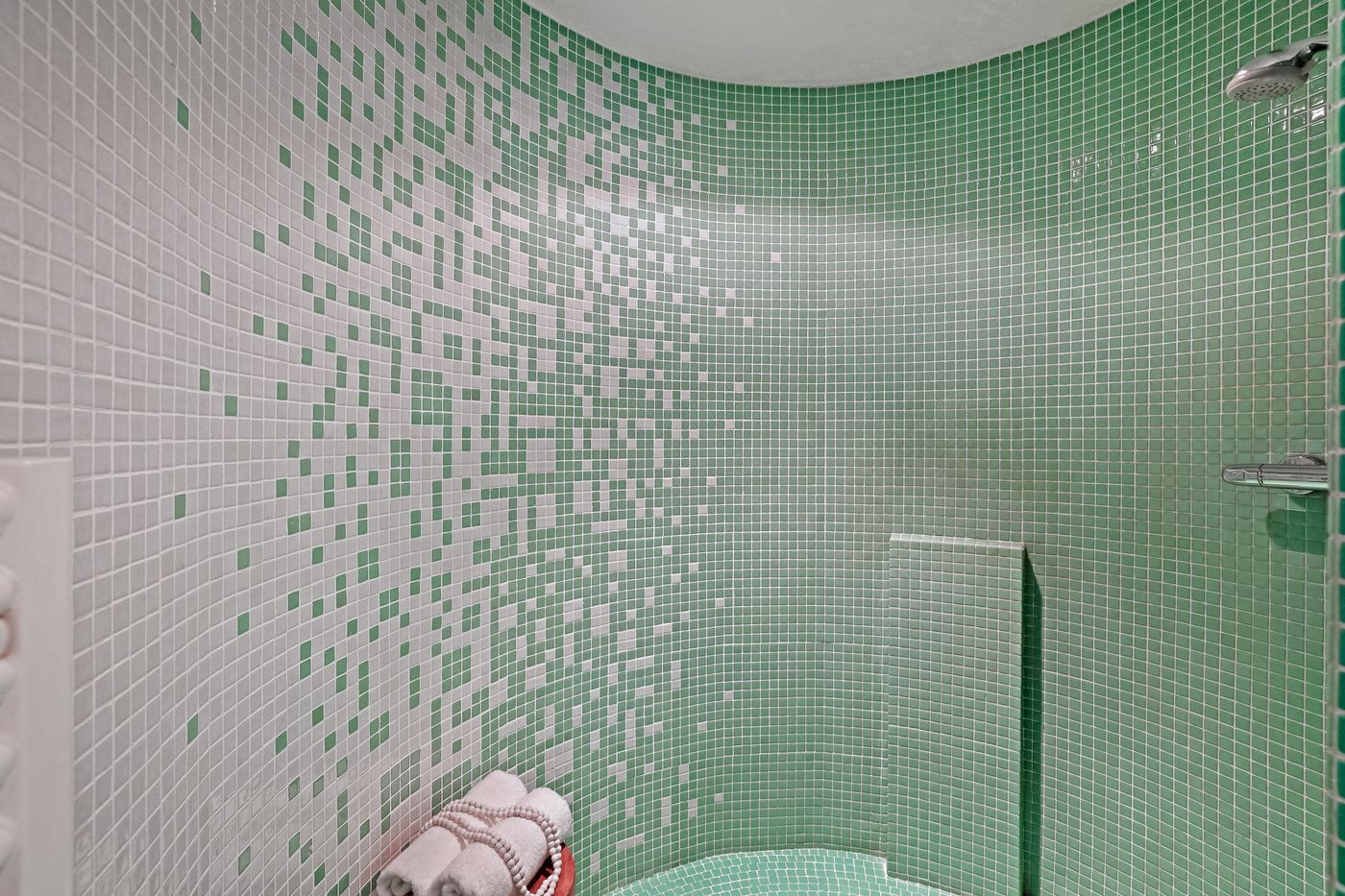
A permanent shelf also changes the surface people see. A horizontal line can fit with existing tile joints and make the storage feel integrated. In another place the opening may interrupt an attractive field of tile from the doorway. Lay a paper rectangle at the proposed height on an appropriate dry surface or draw it on a photograph. Show it with the shapes of the bottles inside. The empty niche in a drawing can look generous and tidy. You will usually see the bottles as well, so include them when you judge the amount of visual space the niche needs.
Plan for cleaning with the shower in regular use
Pick up the objects and see whether you can wipe their places without taking every holder apart. Find the spot where drops gather and look at the seams and backs of containers. Follow the care instructions for the tile, hardware, and accessory. A removable tray may make cleaning simple if you can take it out without reaching behind a tall bottle. A shelf that stays fixed can work well if you can reach the entire surface easily. If you cannot get to a corner while the holder is in place, test another size before making the purchase.
Choose a spare space for the replacement bottle that arrives before the old one has gone. It can wait in a cabinet or another suitable dry place. Keep the shower shelf for the contents you expect to use. Check the arrangement after a few days of normal use. If the bottle used most often always migrates to the ledge, the ledge may be its natural home. If a bar stays clean and dry when moved a few inches to the side, that position can guide the final plan. The useful shelf is where a person reaches without pausing and where the shower still leaves room for them to turn.